Kelley: A Handwritten Typeface with Artisanal Elegance
Typography is more than just a visual element—it’s a storytelling device. In the right context, it can evoke emotion, establish tone, and elevate design to an art form. Kelley, a beautifully crafted handwritten typeface, stands out in this space by combining elegance with practicality. Its graceful strokes and natural flow make it a compelling choice for designers who want to infuse warmth and sophistication into their projects without compromising on functionality.
Design Characteristics of Kelley
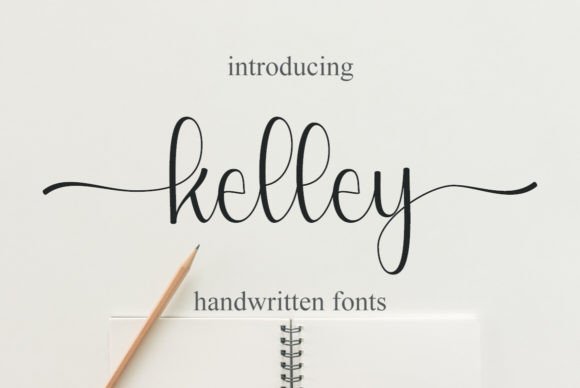
Kelley is designed to reflect the organic nature of handwriting while maintaining a polished aesthetic. Each character flows with a sense of rhythm and balance that feels both authentic and refined. The subtle variations in stroke width and the gentle curves of its letters give it a handcrafted look that resonates with users seeking a personalized touch.
One of the standout features of Kelley is its PUA encoding support, which grants access to a range of distinctive glyphs and alternates. This makes it highly versatile, especially for those who need unique characters—such as ligatures or stylistic variants—to enhance typographic compositions. Whether you’re designing a wedding invitation or a logo that needs to stand apart, these extras offer creative freedom without requiring advanced font knowledge.
Visual Consistency and Readability
Handwritten fonts often face criticism for being too informal or difficult to read at smaller sizes. However, Kelley manages to strike a balance between artistic flair and legibility. It maintains clarity even when used in body text scenarios, making it suitable for more than just decorative purposes. The consistent baseline and x-height help ensure that lines of text remain readable and visually cohesive across different applications.
Its serif-free structure contributes to a clean and modern appearance, yet retains enough texture to avoid looking overly digital. This duality allows it to fit comfortably in both traditional and contemporary design environments.
Practical Use Cases for Kelley
Kelley excels in settings where a personal and elegant feel is desired. Here are some common use cases:
- Wedding Invitations: With its romantic and refined style, Kelley is particularly well-suited for wedding stationery. It adds a sense of intimacy and class that complements floral motifs, vintage illustrations, or minimalist layouts.
- Thank You Notes and Greeting Cards: For heartfelt messages, the typeface brings a genuine, handwritten charm that printed styles often lack.
- Inspirational Quotes: Used in posters, social media graphics, or blog headers, Kelley helps highlight meaningful content with a visually appealing emphasis.
- Branding and Logos: Small businesses or boutique brands aiming for a warm, artisanal identity can benefit from integrating Kelley into their logos or taglines.
- Business Cards: When paired with complementary sans-serif fonts for supporting details, Kelley can serve as the headline, lending a professional yet approachable vibe.
Real-World Performance
In practice, Kelley performs admirably across various mediums. Digital designers appreciate how it renders clearly on screens, while print professionals note its ability to maintain quality in high-resolution outputs. The font works well in both monochrome and color settings, adapting to different palettes without losing its essence.
However, like many handwritten typefaces, it may not be ideal for large blocks of text due to the inherent variability in letterforms. Designers should consider using it sparingly for headings, accents, or short bursts of text rather than entire paragraphs.
Who Can Benefit Most from Using Kelley?
Kelley appeals to a wide audience but shines brightest for specific user groups:
- Graphic Designers and Illustrators: Those working on branding, editorial design, or event-related materials will find Kelley's versatility invaluable.
- Entrepreneurs and Small Business Owners: A custom logo using Kelley can differentiate your brand from competitors and create a memorable first impression.
- Event Planners and Wedding Designers: The font’s aesthetic aligns perfectly with the upscale, bespoke nature of weddings and special events.
- Bloggers and Content Creators: From motivational quotes to article headers, Kelley adds personality to online content without overwhelming the reader.
- Marketing Professionals: It can be used effectively in campaigns targeting premium or lifestyle segments, offering a sense of authenticity and luxury.
While Kelley isn’t suited for every project, it becomes a powerful tool when used appropriately. Its charm lies in its ability to blend into diverse contexts while still standing out for its uniqueness.
Quality and Reliability
Kelley is built with attention to detail, ensuring that each glyph is meticulously crafted. The font supports multiple languages and includes comprehensive character sets, making it a reliable option for international use. Additionally, the inclusion of OpenType features such as ligatures, swashes, and alternate characters enhances its usability for those who work with dynamic text treatments.
As with any font, the quality of the final output depends on how it’s applied. While the font itself is robust and well-designed, results may vary depending on software compatibility and rendering engines. Testing it in your preferred platform before finalizing a project is always recommended.
Flexibility and Customization Options
One of Kelley’s greatest strengths is its flexibility. Designers can easily mix and match alternate characters to create a more dynamic look. The PUA encoding allows for seamless integration of these special glyphs without disrupting the workflow.
Moreover, the font pairs well with both serif and sans-serif companions, enabling a harmonious contrast in designs. For example, pairing it with a clean, geometric sans-serif like Montserrat or a classic serif like Playfair Display can produce a balanced layout that highlights the best of both worlds.
Customization through font styling tools (like Glyphs or FontForge) is also possible, although most users will find they don’t need to go beyond what’s offered in standard design software like Adobe Illustrator or Photoshop. Its ease of use ensures that even beginners can achieve professional-looking results quickly.
Presentation and Effectiveness
When evaluating a typeface for effectiveness, it’s important to consider how it impacts the overall message. Kelley does this exceptionally well by conveying warmth and sophistication simultaneously. It doesn’t just look good—it communicates a feeling.
For instance, in a recent client project, I used Kelley for a wellness brand’s promotional materials. The font helped reinforce the brand’s mission of nurturing mind and body by adding a soft, inviting texture to the visuals. Clients responded positively, noting that the typography made them feel “more connected” to the brand’s ethos.
This kind of emotional resonance is rare in typefaces and underscores why Kelley has become a favorite among creatives. Its presentation is not only aesthetically pleasing but also functionally effective in enhancing user experience and engagement.
Long-Term Value and Considerations
Investing in a font like Kelley offers long-term value for designers and businesses alike. Its timeless appeal means it won’t fall out of fashion quickly, and its adaptability ensures it can be repurposed across multiple projects. Unlike trend-driven typefaces that may require frequent updates, Kelley remains relevant and useful over time.
Still, there are limitations to consider. Because it’s a handwritten font, it may not be appropriate for all audiences or industries. For example, formal legal documents or technical reports would likely call for a more structured typeface. Similarly, if accessibility is a priority, additional measures may be necessary to ensure readability for users with visual impairments.
Another factor to weigh is licensing. If you plan to use Kelley in commercial projects, verify the terms of its license agreement to ensure compliance. Some handwritten fonts have restrictions regarding embedding or redistribution, so understanding these nuances is essential for professional use.
Professional Recommendations
If you're considering adding Kelley to your toolkit, here are a few tips to maximize its impact:
- Use it as a primary display font rather than body copy.
- Experiment with spacing and kerning to enhance its fluid appearance.
- Pair it with a secondary font that contrasts in weight or style for better visual hierarchy.
- Take advantage of the alternate glyphs to add subtle variation and interest to key phrases or headlines.
Additionally, consider creating mockups or test prints to evaluate how the font looks in real-world conditions. Sometimes, a font that appears perfect on screen may reveal quirks in physical formats, and catching those early can save time and effort later.
Does Kelley Fit Your Needs?
To determine whether Kelley is the right fit for your project, ask yourself the following questions:
- Do you need a font that conveys elegance and warmth?
- Will the font be used primarily in short text or display settings?
- Is your audience likely to appreciate a more artisanal or personal aesthetic?
- Are you looking for a font with accessible alternate characters and stylistic options?
If you answered yes to most of these, then Kelley could be a valuable addition to your design library. Its ability to transform ordinary text into something extraordinary is one of its defining traits. That said, it’s not a one-size-fits-all solution. Always assess the context, purpose, and audience before committing to a font.
Final Thoughts
Kelley is more than just another pretty font—it’s a thoughtful design that serves a clear purpose. Whether you're crafting a luxury brand identity or a heartfelt greeting card, its unique charm and accessibility make it a standout option. By understanding its strengths and limitations, you can apply it effectively to suit your creative goals.
As with any resource, the true value of Kelley lies in how it’s used. It’s a font that invites creativity, encourages experimentation, and rewards thoughtful application. So, if your next project calls for a touch of grace and originality, it might be worth exploring what Kelley can bring to the table.