Sidewide: A Versatile Handwritten Typeface for Modern Design
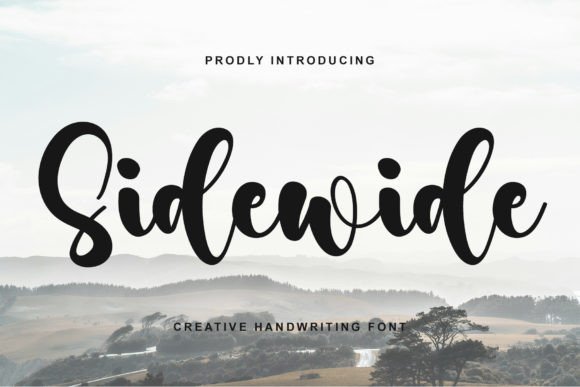
Fonts are more than just letters—they’re the personality of your design. When you choose a typeface, you're not just selecting a style; you're making a statement about who you are and what your brand stands for. Sidewide is a handwritten font that brings warmth, elegance, and a personal touch to any project. Its delicate curves and fluid strokes mimic the natural flow of handwriting, offering an organic aesthetic that’s both inviting and professional.
What Makes Sidewide Unique?
Sidewide stands out because of its balance between artistry and usability. Unlike many script fonts that lean too heavily into ornate or overly casual styles, Sidewide finds the sweet spot—its refined character set works well in both large-scale branding and small text elements. The font features subtle variations in stroke weight and spacing that make it feel dynamic yet controlled.
One of the key advantages of Sidewide is its PUA encoding. This means every glyph, alternate, and ligature is easily accessible through your design software without requiring complex keyboard shortcuts. Whether you’re using Adobe Illustrator, Photoshop, or even Canva, working with Sidewide is intuitive and efficient. It gives designers the freedom to explore creative options without being limited by technical constraints.
Real-World Applications for Sidewide
Handwritten fonts can sometimes be tricky to use effectively, but Sidewide’s clean structure makes it adaptable across a wide range of formats. Let’s explore some practical ways this font can elevate your work:
- Logo and Branding Design: For brands aiming to convey authenticity or creativity, Sidewide adds a human element. Use it in logos for boutique shops, wellness brands, or lifestyle businesses where a soft, approachable look is essential.
- Social Media Posts: In an age where visual content is king, using a unique font like Sidewide can help your posts stand out. Pair it with minimalist layouts or bold background colors to create eye-catching headlines and captions.
- Advertisements: From print flyers to digital banners, Sidewide’s readability and charm make it perfect for short, impactful messaging. It’s especially effective in campaigns targeting local communities or artisanal products.
- Business Cards: A business card is often the first impression someone has of your brand. Sidewide’s elegant form can communicate professionalism while still feeling personal and memorable.
- Wedding Invitations: Nothing says romance like a beautifully crafted handwritten font. Sidewide is ideal for couples seeking a timeless yet modern invitation style. Use it in titles, names, and accents to add a layer of sophistication.
- Product Packaging: For handmade or craft-based products, Sidewide offers a tactile feel that aligns with the artisan quality of the goods. It pairs well with watercolor illustrations or vintage-style designs.
Adapting Sidewide for Different Audiences and Goals
The beauty of Sidewide lies in its versatility. While it’s inherently elegant, it can be tailored to suit a variety of tones and purposes. Here’s how different users might leverage it based on their goals:
For Entrepreneurs and Small Business Owners
If you run a small business or startup, Sidewide can help you build a cohesive brand identity. Consider using it in taglines or product names to give your brand a friendly, trustworthy feel. Combine it with sans-serif fonts in body copy for contrast and clarity, ensuring your message remains easy to read while still standing out.
For Marketers and Advertisers
Marketers can benefit from Sidewide’s ability to evoke emotion. It’s particularly useful in campaigns that focus on storytelling, such as cause-related marketing or heritage brands. Use it sparingly in headlines or call-to-action buttons to draw attention and encourage engagement.
For Bloggers and Content Creators
Bloggers looking to inject personality into their website headers or social media thumbnails will find Sidewide a great asset. Its delicate nature complements photography-based blogs, fashion sites, or personal journals. To maintain consistency, pair it with a complementary serif or sans-serif font for subheadings and body text.
For Educators and Publishers
Teachers and authors can use Sidewide in educational materials, book covers, or handouts to make learning feel more engaging. For example, a children's book cover featuring a whimsical title in Sidewide can spark curiosity and interest. Just ensure legibility is prioritized when used in longer passages by adjusting size and spacing accordingly.
For Wedding Planners and Event Designers
Wedding planners often rely on fonts that feel romantic and timeless. Sidewide fits this bill perfectly. Use it in invitations, signage, or programs to add a personal touch. You can also incorporate alternates and ligatures to enhance the overall aesthetic without overwhelming the reader.
Design Tips for Using Sidewide Effectively
To get the most out of Sidewide, keep these tips in mind:
- Use It Sparingly: Because of its delicate nature, overusing Sidewide can lead to cluttered or hard-to-read designs. Reserve it for headlines, logos, or decorative elements rather than long paragraphs.
- Pair It Thoughtfully: Combining Sidewide with a solid sans-serif or geometric font helps maintain hierarchy and readability. Think Helvetica for contrast or Lora for a more literary feel.
- Play with Alternates: Thanks to its PUA encoding, you can access a wealth of stylistic alternatives. Experiment with different characters to find the right mix of creativity and consistency for your project.
- Consider Line Spacing: Since it’s a handwritten font, Sidewide can appear cramped if line spacing is too tight. Increase tracking slightly for better legibility, especially in digital contexts.
- Match the Tone: Sidewide works best in designs that aim to feel warm, personal, or artistic. Avoid using it in formal legal documents or high-tech interfaces where clarity and neutrality are paramount.
Creative Projects to Try with Sidewide
Looking for inspiration? Here are a few creative ideas to kickstart your next project:
- Custom Stationery: Create personalized thank-you cards, letterheads, or greeting cards using Sidewide. Add floral motifs or monochrome backgrounds to highlight its natural beauty.
- Instagram Captions and Stories: Apply Sidewide to your Instagram story templates or captions for a consistent, stylish look. It adds a sense of curation that can help reinforce your brand voice.
- Recipe Cards and Cookbooks: Food bloggers and chefs can use Sidewide in recipe titles or headings to make their content feel home-cooked and authentic. Pair it with rustic textures or hand-drawn icons for extra charm.
- Book Titles and Chapter Headings: If you’re designing a book or eBook, consider using Sidewide for the title or chapter headings. It can help establish a narrative tone and guide readers visually through the content.
- Event Posters and Flyers: Whether it’s a music festival, art show, or community event, Sidewide can give your poster a creative edge. Balance it with strong imagery and clear typography for other sections.
How to Keep Your Designs Consistent with Sidewide
Consistency is key in any design project. Even though Sidewide offers a lot of flexibility, it’s important to define how you’ll use it so that your brand or content maintains a cohesive look:
- Set guidelines for when and where to use Sidewide. Is it only for headlines? Will it be used in conjunction with another font for body text? Documenting these choices ensures everyone involved stays aligned.
- Limit the number of alternates per project. Too many variations can confuse viewers. Stick to two or three alternate characters max to keep your message clear and recognizable.
- Test it on multiple platforms. Ensure that your chosen color schemes and background contrasts work well with Sidewide across both print and digital mediums. What looks good on a screen may need tweaking for physical use.
Why Choose Sidewide Over Other Script Fonts?
There are countless script fonts available today, each promising uniqueness and flair. So why should you choose Sidewide? First, it’s designed with real-world applications in mind—not just for display but for actual use in branding and communication. Second, its PUA encoding makes it user-friendly for those who want to experiment without getting bogged down by technical limitations. Lastly, its balanced proportions allow it to scale well from tiny text in a caption to large headline displays without losing integrity.
Many similar fonts either become illegible at smaller sizes or lack the structural stability needed for professional use. Sidewide avoids these pitfalls by maintaining a clear baseline and uniformity throughout the alphabet. This makes it one of the few handwritten fonts that can be used confidently in both artistic and commercial settings.
Final Thoughts on Creative Typography with Sidewide
Typography is a powerful tool in design, and choosing the right font can make all the difference. Sidewide isn’t just a pretty script—it’s a font that bridges the gap between creativity and functionality. Whether you're launching a new brand, planning a wedding, or crafting a compelling blog post, Sidewide provides the elegance and adaptability you need to stand out without sacrificing clarity.
Remember, the goal of design is to communicate effectively. Sidewide supports that mission by adding a human touch that resonates with audiences. Use it wisely, pair it thoughtfully, and let it bring your creative vision to life with grace and simplicity.