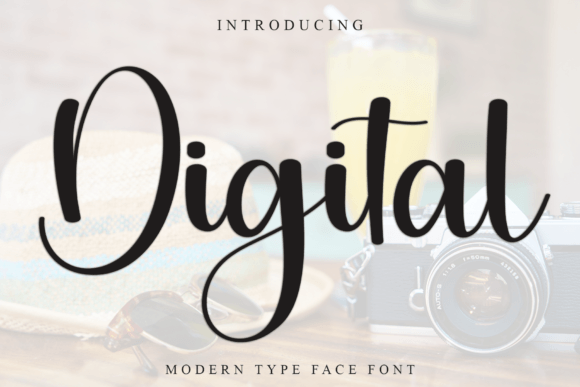
The Timeless Appeal of Digital Handwriting in Modern Design
In an age dominated by sleek, minimalist typography and high-tech aesthetics, the allure of digital handwriting stands out as a refreshing contrast. It feels both charming and elegant, effortlessly blending the warmth of human touch with the precision of digital tools. Whether you're designing wedding invitations, thank you cards, quotes, greeting cards, logos, or business materials, digital handwriting adds a unique personality that resonates deeply with audiences.
What is Digital Handwriting?
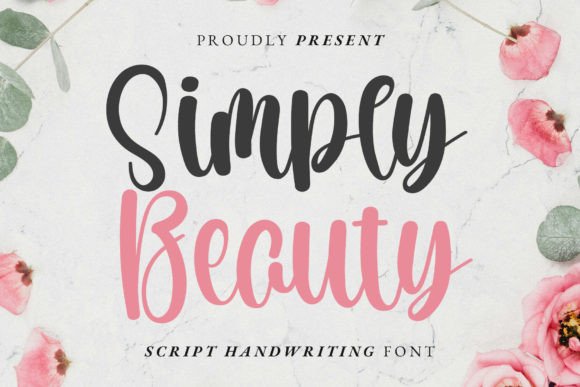
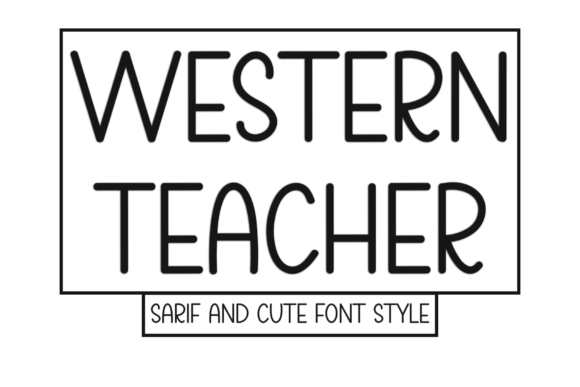
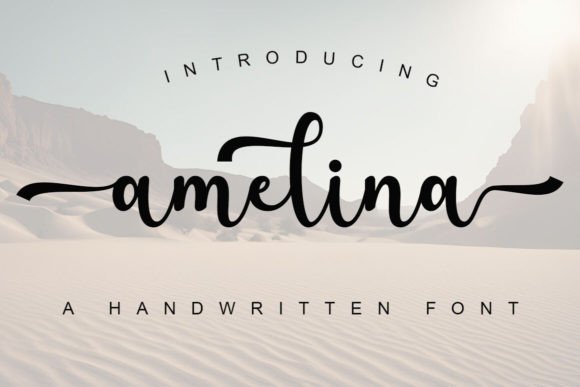
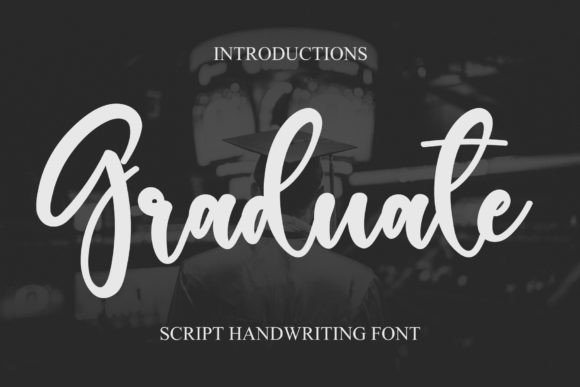
Digital handwriting refers to the reproduction of handwritten text using digital means. This can be achieved through various methods such as scanning physical handwriting, using stylus-based tablets for direct input, or employing vector-based fonts that mimic the look of cursive or script writing. The result is a design element that evokes authenticity, creativity, and emotional connection—qualities that are often lost in overly formal typefaces.
Unlike traditional handwriting, which is limited to paper, digital handwriting can be edited, scaled, and enhanced without losing its organic feel. This makes it highly versatile for a range of applications, from personal stationery to professional branding.
Why Digital Handwriting Works So Well
- Emotional resonance: Handwritten elements are often perceived as more personal and sincere. In marketing and design, this can significantly enhance brand trust and customer engagement.
- Versatility: With the right tools and fonts, digital handwriting can be adapted for both small and large formats, maintaining clarity and charm at any size.
- Creativity boost: It introduces a layer of artistic expression that can elevate otherwise standard designs into something memorable and distinctive.
The Purpose and Significance of Digital Handwriting
At its core, digital handwriting serves to bridge the gap between human emotion and digital communication. It’s used not just for visual appeal but also to convey meaning, mood, and message in a way that feels genuine and heartfelt.
In graphic design, digital handwriting plays a key role in creating content that stands out. It’s particularly effective in niches like:
- Wedding and event invitations
- Personalized greeting cards
- Quotations and motivational posters
- Logo concepts for creative brands
- Business cards with a unique flair
These use cases highlight how digital handwriting isn’t just decorative—it's a strategic choice that communicates values and enhances user experience.
Handwritten Fonts vs. Actual Handwriting
There are two primary ways to incorporate digital handwriting: using handwritten fonts or embedding actual scanned handwriting into digital files. Each has its own advantages.
- Handwritten Fonts: These are pre-designed typefaces that emulate handwriting styles. They’re easy to use and offer consistency across different platforms and print sizes.
- Scanned Handwriting: Using your own or another person’s handwriting provides a one-of-a-kind aesthetic. However, it may require more post-processing to ensure legibility and alignment.
While handwritten fonts are accessible and practical for most users, scanned handwriting can add a truly personalized touch. For instance, a wedding invitation signed with the couple’s actual handwriting can create a sense of intimacy and authenticity that’s hard to replicate with any font.
Digital Handwriting in Different Industries
Its application isn’t limited to just artistic or personal projects. Many industries have found value in integrating digital handwriting into their workflows and outputs.
Wedding Invitations
Weddings are all about love, tradition, and personal touches. Digital handwriting allows couples to express their individuality while maintaining elegance. A beautifully scripted name on the front of an invitation sets the tone for the entire event, making guests feel like they are part of something special and handcrafted.
Thank You Cards and Greeting Cards
Whether it’s a birthday card or a thank you note, digital handwriting helps create a sense of sincerity. It tells the recipient that the message was crafted with care. Even when mass-produced, the illusion of a personal note can make these items feel more meaningful.
Branding and Logos
For businesses in the creative sector—such as art studios, fashion labels, or boutique cafes—digital handwriting can be a powerful tool in building a brand identity. A logo featuring a custom handwritten font can evoke nostalgia, creativity, or exclusivity depending on the style chosen.
However, it's important to balance aesthetics with readability. While a cursive or script font might look beautiful, it should still be legible enough for the intended audience. Overly ornate styles can sometimes hinder comprehension, especially in smaller sizes or at a glance.
Education and Learning
In education, digital handwriting can enhance learning experiences. Tools like e-readers and tablets now support stylus input, allowing students and teachers to annotate, write notes, or create diagrams in a familiar, tactile format. This mirrors traditional note-taking while offering the benefits of digital storage and sharing.
How to Use Digital Handwriting Effectively
Now that we’ve established where and why digital handwriting is valuable, let’s explore some practical tips for using it in your designs.
Choose the Right Tool
If you're using a tablet, consider investing in a stylus for smoother input. Software like Adobe Photoshop, Illustrator, or even Canva allows you to import and manipulate handwritten text easily. There are also online tools and apps specifically designed for converting typed text into handwriting-like scripts.
Balance with Other Elements
Handwritten text should complement—not overpower—the rest of your design. Pair it with clean, modern fonts to create a balanced layout. Use it sparingly in areas where it will have the most impact, such as headlines, signatures, or call-to-action phrases.
Enhance Legibility
Even the most charming handwriting must remain readable. Avoid overusing flourishes or inconsistent spacing. If you’re using scanned handwriting, trace or adjust it digitally to improve clarity and uniformity.
Use Color and Texture Thoughtfully
Adding color or texture to digital handwriting can help it stand out. Consider using ink effects, parchment backgrounds, or subtle shadows to give it depth and realism. These enhancements can make your designs appear more authentic and visually appealing.
Digital Handwriting in the Age of AI and Automation
With the rise of artificial intelligence and automated design tools, many wonder if digital handwriting will become obsolete. On the contrary, it’s becoming more relevant than ever.
AI-generated content is often criticized for lacking the human touch. By incorporating digital handwriting, designers can counteract this perception and add a level of warmth and personality to machine-created visuals. This hybrid approach ensures efficiency doesn't come at the cost of emotional appeal.
Moreover, digital handwriting can be integrated into automation workflows. For example, a personalized email campaign could include a client’s name written in a handwritten font, making each message feel tailored despite being sent en masse.
Common Misconceptions About Digital Handwriting
Despite its growing popularity, there are still some misconceptions around digital handwriting. Here are a few myths debunked:
- Myth 1: “Digital handwriting is only for casual designs.”
Reality: When done right, it can be incredibly elegant and suitable for high-end branding or formal events. - Myth 2: “It’s too difficult to edit or scale.”
Reality: Modern design software offers tools to adjust, align, and resize handwritten text seamlessly. - Myth 3: “Only professionals need it.”
Reality: Anyone—from DIY enthusiasts to small business owners—can benefit from adding a handwritten touch to their projects.
Real-World Examples of Digital Handwriting
To better understand the power of digital handwriting, here are a few real-world examples:
- Wedding Invitations: A designer uses a soft, flowing script to write the names of the couple on the front cover, paired with a classic serif font for the body text. The combination feels romantic yet sophisticated.
- Business Branding: A local bakery creates a logo using a playful, handwritten font to reflect its artisanal, home-cooked vibe. The font is then used consistently across packaging, menus, and social media profiles.
- Quotes and Social Media Graphics: An Instagram influencer shares daily motivational quotes with a handwritten font overlay, giving their posts a cozy, relatable feel that encourages engagement.
Tools and Resources for Creating Digital Handwriting
Want to try your hand at digital handwriting? Here are some popular tools and resources to get started:
- Font Squirrel – Offers a wide selection of free and premium handwritten fonts.
- Adobe Photoshop – Great for importing and editing handwritten text or images.
- Canva – User-friendly platform with built-in handwriting-style fonts and templates.
- MyFonts – High-quality script and handwriting fonts for commercial and personal use.
Some tools even allow you to generate handwriting from typed text, mimicking specific styles or voices. These can be great for those who don’t have access to a stylus or prefer not to write manually.
Building a Broader Understanding
Digital handwriting is more than just a trend; it’s a reflection of our desire to maintain human connection in a world increasingly driven by automation and technology. It reminds us that even in digital spaces, there’s room for creativity, emotion, and individuality.
As designers, marketers, educators, and entrepreneurs, we have the opportunity to use digital handwriting to tell stories, build relationships, and express ourselves in new and compelling ways. It’s a reminder that not every message needs to be perfectly aligned or strictly professional to make an impact.
When to Avoid Digital Handwriting
While digital handwriting can be stunning, it’s not always the best choice. Some situations where it might not be appropriate include:
- Legal documents or contracts where clarity is crucial.
- Body copy in long-form texts, where readability takes precedence over style.
- High-speed signage or public displays where quick recognition is necessary.
In these cases, sticking to clean, sans-serif or serif fonts would be more effective. The key is knowing when to use digital handwriting to enhance a design versus when it might hinder usability.
Conclusion
Digital handwriting brings a unique blend of charm and elegance to modern design. Its ability to infuse personality into everything from wedding invitations to logos makes it a valuable asset in both personal and professional contexts. As we continue to embrace digital tools in our lives, the importance of preserving the human touch becomes even more critical.
By understanding the purpose, significance, and best practices of using digital handwriting, you can leverage it effectively to create engaging, meaningful, and aesthetically pleasing designs. Whether you're a seasoned designer or just starting out, experimenting with digital handwriting can open up new avenues of creativity and connection.