Mango: The Handwritten Elegance in Modern Design
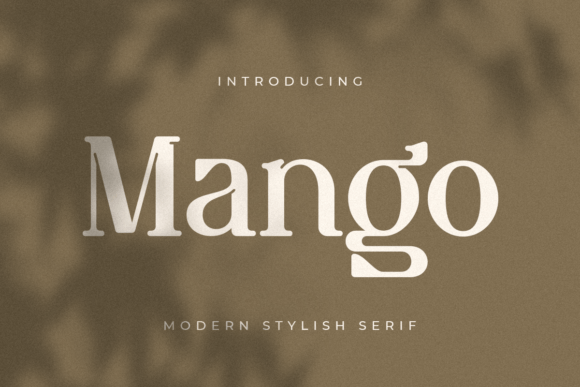
In the world of typography, where clarity and style often walk a fine line, Mango stands out as a unique blend of both. As a stylish and incredibly elegant serif font with a handwritten touch, Mango brings warmth and sophistication to any design it graces. Whether you're crafting wedding invitations, designing logos, or simply looking for a font that adds personality to your quotes and greeting cards, Mango is an excellent choice. Its subtle curves and refined strokes evoke a sense of artistry and authenticity, making it highly versatile across various applications.
The Rise of Handwritten Fonts in Design
Handwritten fonts have gained immense popularity in recent years, especially among designers who seek to create more personal and engaging visual experiences. This trend aligns with broader shifts in consumer preferences—audiences today are drawn to designs that feel human, genuine, and emotionally resonant. In contrast to rigid sans-serif or overly formal serif fonts, handwritten styles like Mango add a level of intimacy that's hard to replicate through traditional typography.
As digital tools become more advanced, the demand for creative assets that stand out has also increased. Many professionals—from marketers to entrepreneurs—are turning to handwritten fonts to differentiate their branding from the competition. Mango fits perfectly into this space, offering the elegance of a classic serif while maintaining the fluidity and charm of handwriting.
Why Mango Is Gaining Traction
One of the key reasons behind Mango’s rising appeal is its adaptability. It can be used in both print and digital formats without losing its aesthetic quality. From high-end fashion brands to boutique coffee shops, businesses are using Mango to craft memorable logos and signage that reflect a handcrafted ethos. Its balance between formality and approachability makes it ideal for those who want to maintain professionalism while infusing creativity.
Moreover, Mango is particularly well-suited for event-based design such as wedding invitations. In a time when couples are increasingly opting for personalized and bespoke elements in their weddings, a font like Mango offers a perfect way to express individuality. Its soft, flowing characters give the impression of something lovingly written by hand, adding a romantic and artistic flair that many mass-produced fonts simply can’t match.
Practical Applications of Mango Font
Designers working on thank you cards, greeting cards, or other stationery items will find Mango to be an invaluable asset. The font’s natural look complements floral patterns, watercolor illustrations, and minimalist layouts alike. For educators creating custom learning materials or bloggers aiming for a more personal voice in their content, Mango can help make text more inviting and readable.
- Wedding Invitations: Mango’s elegance and script-like nature make it ideal for conveying heartfelt messages in a sophisticated manner.
- Business Cards: Entrepreneurs and freelancers can use Mango to create business cards that exude creativity and professionalism simultaneously.
- Quotes and Social Media Graphics: With platforms like Instagram and Pinterest emphasizing visual storytelling, Mango helps designers create compelling quote graphics that capture attention.
- Logo Design: Startups and small businesses looking to build a brand identity centered around warmth and trust often turn to handwritten fonts like Mango.
Integrating Mango Into Your Workflow
For those who are new to using handwritten fonts in their design projects, Mango provides a smooth entry point. Unlike some cursive fonts that may be difficult to read at smaller sizes or in tight spacing, Mango maintains legibility while still offering a distinctive look. This makes it suitable not only for large-scale prints but also for web-based applications where readability is essential.
When choosing Mango for your next project, consider pairing it with complementary typefaces. A clean sans-serif like Helvetica or Lato can provide a nice contrast when used alongside Mango for body text or headings. This ensures that the handwritten style remains the focal point without overwhelming the rest of the design.
Mango and the Evolution of Typography
Typography has evolved significantly over the past decade, driven largely by changes in how we consume information. With the rise of mobile devices and digital reading habits, fonts must now perform well across multiple screen sizes and resolutions. Mango has been designed with these modern requirements in mind, ensuring that its beauty isn't compromised on digital platforms.
Additionally, the growing interest in minimalism and organic aesthetics has led to a renaissance of handwritten fonts. Designers are moving away from generic templates and toward bespoke solutions that reflect a brand’s personality. Mango is part of this movement, offering a premium option that blends tradition with contemporary design sensibilities.
Examples of Mango in Action
Several notable examples highlight how Mango enhances design work. One wedding planner based in New York City recently adopted Mango for all her client invitations, noting a significant increase in positive feedback. “It feels like a love letter,” one bride said about the invitation she received. That kind of emotional impact is what sets Mango apart.
In the corporate world, a lifestyle brand specializing in handmade goods used Mango in their logo and packaging. The font helped them establish a visual language that aligned with their values of craftsmanship and authenticity. Customers responded favorably, associating the brand with quality and care.
Bloggers and content creators have also found Mango useful for titles and pull quotes. It allows them to maintain a professional tone while injecting a bit of flair into their posts. When used sparingly and strategically, Mango can elevate the overall aesthetic of a blog or website without distracting from the message.
Choosing the Right Font for the Right Message
While Mango is undeniably beautiful, it’s important to consider the context in which it’s used. Not every project needs a handwritten font—some require bold, modern, or ultra-clean typography to convey authority or efficiency. However, for projects that benefit from a softer, more expressive feel, Mango is a powerful tool.
Before finalizing the use of Mango, ask yourself:
- Does the font support the tone I’m trying to set?
- Will it remain legible in the intended format and size?
- How does it pair with the colors, imagery, and layout of my design?
Best Practices for Using Mango
To get the most out of Mango, follow these best practices:
- Use it for short texts such as headlines, captions, and signatures where its elegance can shine.
- Avoid using it in long paragraphs or dense blocks of text, as it may reduce readability.
- Experiment with spacing and kerning to enhance the flow and visual harmony of the text.
- Consider converting key phrases into outlines or using it in conjunction with vector illustrations for added depth.
Designing with Purpose and Personality
Typography is more than just a functional element—it’s a design statement. Mango embodies this philosophy by allowing users to communicate both the message and the mood they want to convey. Whether it’s a thank you card that expresses genuine gratitude or a logo that speaks volumes about a brand’s values, Mango adds a layer of intentionality that’s often missing in automated design choices.
For creatives, Mango represents a shift toward more meaningful and thoughtful design. It’s a reminder that even small details—like the font used in a greeting card—can leave a lasting impression. As audiences become more discerning, the ability to choose the right font for the right purpose becomes a critical skill in the designer’s toolkit.
Where to Find and Use Mango
If you’re interested in using Mango for your next project, it’s available on several major font marketplaces such as Adobe Fonts, Google Fonts, and Creative Market. These platforms offer easy integration into design software like Photoshop, Illustrator, and Canva, making it accessible to both professionals and hobbyists.
When downloading Mango, always check licensing terms to ensure it meets your specific needs. Some versions may allow commercial use, while others are limited to personal projects. Understanding these nuances will help avoid legal issues down the line.
Conclusion
Mango is more than just a font—it’s a design choice that reflects taste, intention, and attention to detail. In a landscape where visual communication is king, having access to a font that combines elegance with a handwritten touch can be a game-changer. Whether you're a seasoned designer or someone experimenting with typography for the first time, Mango offers a refined yet expressive option that’s sure to impress.
As trends continue to favor authentic and human-centric design, fonts like Mango will remain relevant. They serve as a bridge between tradition and innovation, helping creators connect with their audience in a more personal and meaningful way. So next time you're working on a design that needs a little soul, consider reaching for Mango. You might just discover why so many professionals are choosing it for everything from logos to thank you cards.